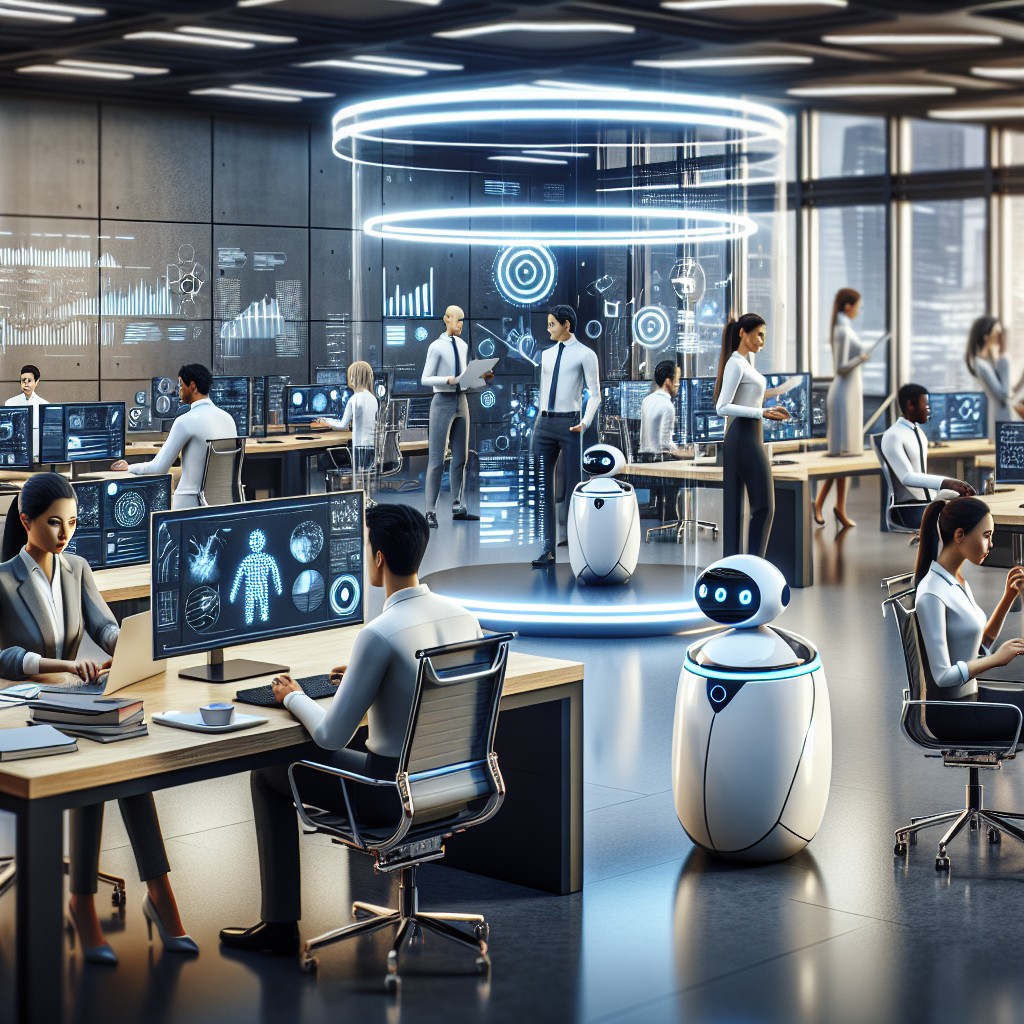
Organizations across various industries are increasingly integrating AI copilots into daily workflows, aiming to boost productivity and assist decision-making. However, with the adoption of such advanced tools comes the challenge of managing potential risks associated with their deployment.
The role of AI copilots in modern workplaces
AI copilots serve as intelligent assistants that help employees by automating routine tasks, providing insights from large datasets, and supporting complex problem-solving. These systems use machine learning algorithms and natural language processing to interact with users and adapt to specific workplace requirements. Their ability to enhance efficiency has led to growing interest within sectors like finance, healthcare, and technology.
Identifying risks linked to AI copilots
Despite their advantages, AI copilots can introduce new types of risks if not properly managed. These include potential biases encoded in training data, data privacy concerns, and over-reliance by employees on automated suggestions. The risk of incorrect or misleading outputs from AI copilots may also lead to costly errors in critical decision-making processes. Furthermore, the integration of AI copilots may impact existing workflows in unforeseen ways, raising operational challenges.
Best practices for safe adoption of AI copilots
To minimize potential risks, organizations should adopt a cautious and systematic approach when incorporating AI copilots into their work environments. This includes conducting thorough evaluations of AI models for fairness and accuracy, ensuring data security compliance, and implementing clear guidelines on the human role in oversight. Continuous training for employees on how to effectively collaborate with AI copilots is also essential to maintain balance between automation and human judgment.
Regulatory and ethical considerations
Global regulatory bodies are increasingly focusing on AI governance frameworks to address challenges posed by technologies like AI copilots. Ethical considerations such as transparency, accountability, and consent must be prioritized during adoption. Organizations are encouraged to align their AI strategies with these evolving standards to foster responsible use and maintain public trust.
The future outlook of AI copilots in the workplace
As AI technology advances, AI copilots are expected to become more sophisticated and widespread across professional settings. Their potential to augment human capabilities without replacing them will be a critical factor in shaping the future of work. Ongoing monitoring of their impacts, along with adaptive risk management, will be necessary to harness their benefits while avoiding new vulnerabilities.
Frequently Asked Questions about AI copilots
What exactly are AI copilots in the workplace?
AI copilots are intelligent software assistants designed to support employees by automating tasks, analyzing data, and providing insights to improve work efficiency.
How can companies adopt AI copilots without increasing risks?
Companies can reduce risks by carefully evaluating AI models for accuracy and bias, ensuring data security, training staff on AI collaboration, and maintaining human oversight over AI-generated outputs.
Are there privacy concerns related to AI copilots?
Yes, since AI copilots often process sensitive data, organizations must implement strong data protection measures and comply with relevant privacy regulations to safeguard information.
Do AI copilots replace human workers?
No, AI copilots are designed to augment human workers by assisting with tasks and decision-making rather than replacing human expertise and judgment.
What regulatory frameworks apply to AI copilots?
Regulations vary by region, but many focus on transparency, fairness, and accountability in AI systems, encouraging organizations to adopt responsible AI practices when deploying AI copilots.