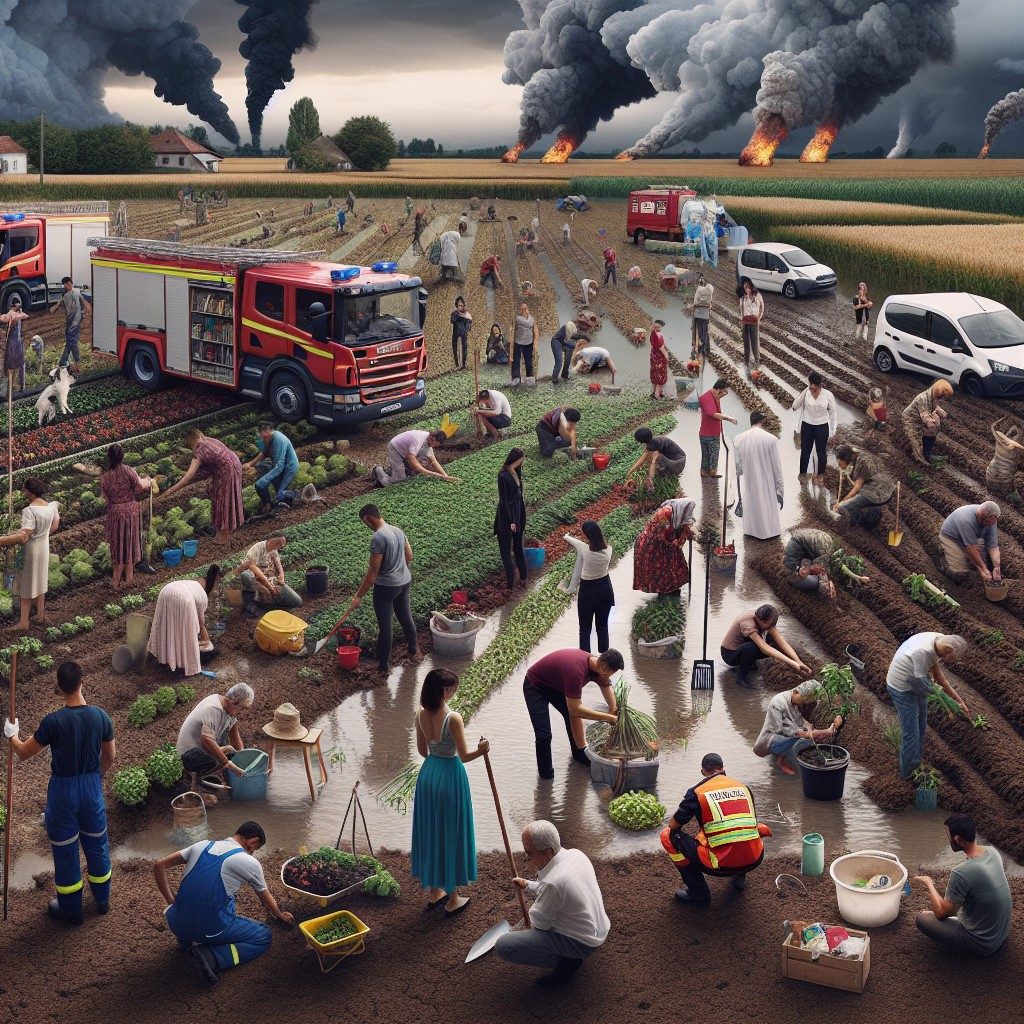
Understanding the fluctuations and patterns in weather and environmental conditions has become an essential part of daily decision-making worldwide. Climate variability plays a crucial role in influencing activities ranging from agriculture to urban management and disaster preparedness.
What is Climate Variability?
Climate variability refers to the natural changes in climate patterns over months, seasons, or years. Unlike climate change, which denotes long-term trends typically driven by human activities, climate variability encompasses the natural ups and downs in temperature, precipitation, and atmospheric conditions. These variations can be influenced by phenomena such as El Niño and La Niña, volcanic eruptions, and solar activity. Recognizing this distinction is essential to accurately interpret weather forecasts and their impact on everyday planning.
The Role of Forecasts in Managing Climate Variability
Advancements in meteorological science have enabled more accurate forecasts that account for climate variability. Medium- and long-term forecasts now provide valuable insights into the expected shifts in weather conditions, allowing individuals and organizations to make informed choices. For example, farmers rely on seasonal forecasts to decide when to plant crops, while city planners use such data to allocate resources efficiently in anticipation of extreme weather events.
Impact on Agriculture and Food Security
One of the sectors most sensitive to climate variability is agriculture. Variations in rainfall and temperature can greatly affect crop yields and livestock health. Reliable climate forecasts help farmers adapt their practices by adjusting planting dates, selecting suitable crop varieties, and managing water resources. This predictive capacity is key to mitigating potential food shortages and securing livelihoods, especially in regions heavily dependent on rain-fed agriculture.
Urban Infrastructure and Emergency Preparedness
Cities face unique challenges due to climate variability, including fluctuations in precipitation that may lead to flooding or heatwaves. Effective forecasting allows urban planners and emergency responders to anticipate and prepare for these events. This preparation ranges from reinforcing drainage systems to organizing early warning outreach, which helps minimize damage and protect vulnerable populations.
Energy Management and Climate Variability
The energy sector also adjusts to climate variability by forecasting demand and supply changes related to weather conditions. Variations in temperature influence energy consumption for heating or cooling, while renewable energy production from sources like wind and solar depends directly on variable atmospheric conditions. By integrating climate variability forecasts, energy providers can optimize resource distribution and maintain supply reliability.
Conclusion: The Growing Importance of Climate Variability Forecasts
In summary, understanding climate variability and utilizing forecasts based on it is increasingly important in shaping daily decisions across multiple sectors. As forecasting methods improve, their role in enhancing resilience and adapting to natural fluctuations becomes more evident. Continuing investment in climate science and forecast technologies will likely lead to better preparedness and more sustainable planning in the face of short-term environmental variability.
Frequently Asked Questions about climate variability
What distinguishes climate variability from climate change?
Climate variability refers to short-term natural fluctuations in climate patterns, whereas climate change involves long-term shifts, often driven by human activity. Both affect weather but on different timescales.
How do forecasts help manage climate variability?
Forecasts provide predictions about upcoming shifts in weather patterns, enabling sectors such as agriculture, urban planning, and energy management to make informed adjustments and reduce risks associated with climate variability.
Why is climate variability important for agriculture?
Because it influences rainfall and temperatures over seasons, climate variability affects crop growth and livestock. Understanding it helps farmers plan planting and resource usage to safeguard food security.
Can climate variability forecasts improve disaster preparedness?
Yes, by anticipating extreme weather events tied to climate variability, emergency services and city planners can implement proactive measures to protect communities and infrastructure.
Where can the public access reliable information on climate variability?
International organizations such as the Intergovernmental Panel on Climate Change (IPCC) and the World Meteorological Organization (WMO) provide accurate information and forecast data about climate variability accessible through their official websites.